
Science Highlights
Preparing for solar and heliospheric science with the SKAO: An Indian perspective
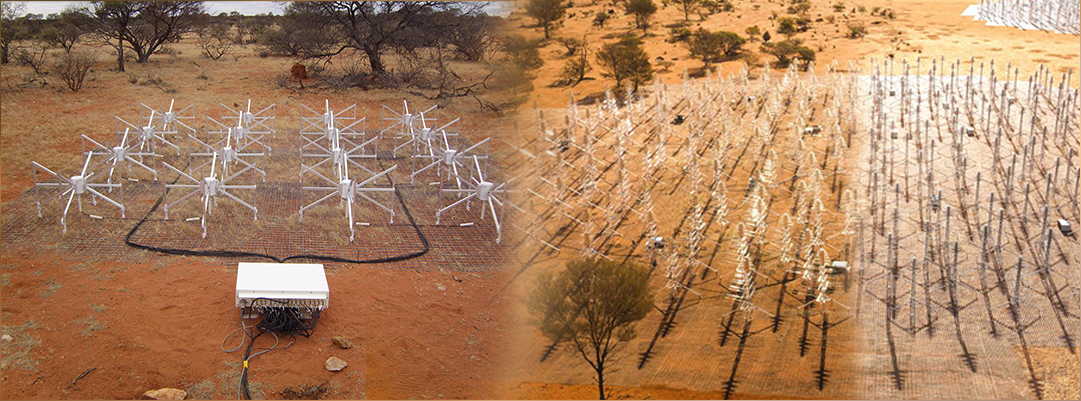
The Square Kilometre Array Observatory (SKAO) is perhaps the most ambitious radio observatory envisaged yet. It will enable unprecedented studies of the Sun, the corona and the heliosphere and help to answer many of the outstanding questions in these areas. Additionally, its ability to make a vast previously unexplored phase space accessible promises a large discovery potential. The Indian solar and heliospheric physics community has been preparing for this science opportunity. Over the last many years, this effort has taken the form of leading the solar science enterprise with a SKA-Low precursor, the Murchison Widefield Array (MWA). This long term sustained effort has included the development of the necessary tools, including dedicated solar radio imaging pipelines, and has lead to many interesting discoveries, insights and realizations. These pipelines now represent the state-of-the-art and the science they have enabled spans the range from coronal heating to space weather, and coronal magnetography to discovering novel features in emissions from well known solar radio bursts. This article briefly summarises this journey, highlighting the major milestones on the way (till early 2022), and shares our future plans and long term objectives. The authors also discuss the novel heliospheric science which will be enabled by the future SKA-Low, primarily by the unprecedentedly detailed and sensitive studies of propagation effects suffered by the low frequency radio waves from distant cosmic sources as they traverse the magnetised heliospheric plasma.
Characterizing the Spectral Structure of Weak Impulsive Narrowband Quiet Sun Emissions
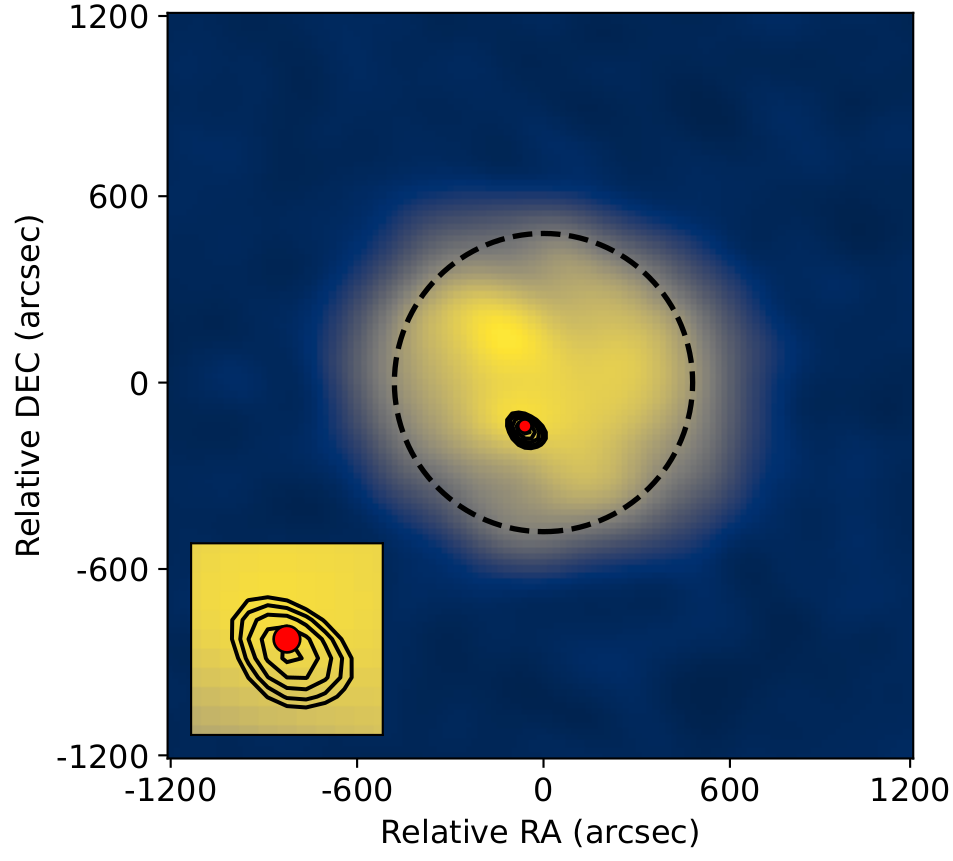
Since the discovery by Mondal et al. (2020) of Weak Impulsive Narrowband Quiet Sun Emissions (WIQNSEs), their observational characterisation has been a significant strand of research being pursued by this group. WINQSEs were originally interpreted to be the radio counterparts of Parker’s nanoflares and it is very exciting to see that all of the subsequent work has continued to respect and reinforce their interpretation. This work by Mondal et al. is the next step in this progression and focuses on the spectral nature of WINQSEs. Given that their strength is only a few percent of the background solar emission, they adopt an extremely conservative approach to reliably identify WINQSES. Only a handful of WINQSEs meet all of the stringent criteria. Their flux densities lie in the 20 − 50 Jy range and they have compact morphologies. For the first time, this work estimates their bandwidths and finds them to be less than 700 kHz, consistent with expectations based on earlier observations. These data come from a very quiet time and no sunspot was present on the visible disc of the Sun. The contours show a moment map for one of the five WINQSEs analysed, superposed on a map corresponding to its peak frequency, and the inset shows a zoomed in view. The contour levels are 0.8, 0.85, 0.9, 0.95 and 0.99 times the peak in the moment map.
Preparing for solar and heliospheric science with the SKAO: An Indian perspective
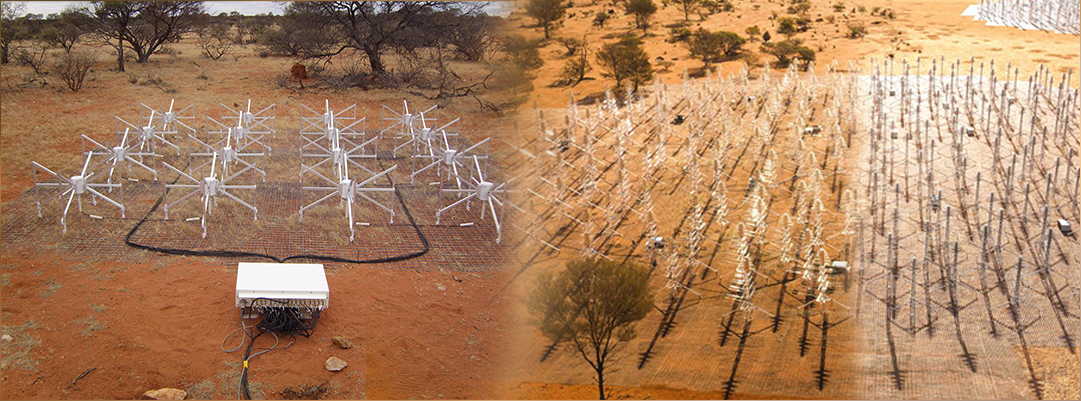
The Square Kilometre Array Observatory (SKAO) is perhaps the most ambitious radio observatory envisaged yet. It will enable unprecedented studies of the Sun, the corona and the heliosphere and help to answer many of the outstanding questions in these areas. Additionally, its ability to make a vast previously unexplored phase space accessible promises a large discovery potential. The Indian solar and heliospheric physics community has been preparing for this science opportunity. Over the last many years, this effort has taken the form of leading the solar science enterprise with a SKA-Low precursor, the Murchison Widefield Array (MWA). This long term sustained effort has included the development of the necessary tools, including dedicated solar radio imaging pipelines, and has lead to many interesting discoveries, insights and realizations. These pipelines now represent the state-of-the-art and the science they have enabled spans the range from coronal heating to space weather, and coronal magnetography to discovering novel features in emissions from well known solar radio bursts. This article briefly summarises this journey, highlighting the major milestones on the way (till early 2022), and shares our future plans and long term objectives. The authors also discuss the novel heliospheric science which will be enabled by the future SKA-Low, primarily by the unprecedentedly detailed and sensitive studies of propagation effects suffered by the low frequency radio waves from distant cosmic sources as they traverse the magnetised heliospheric plasma.
Imaging-spectroscopy of a band-split type II solar radio burst with the Murchison Widefield Array
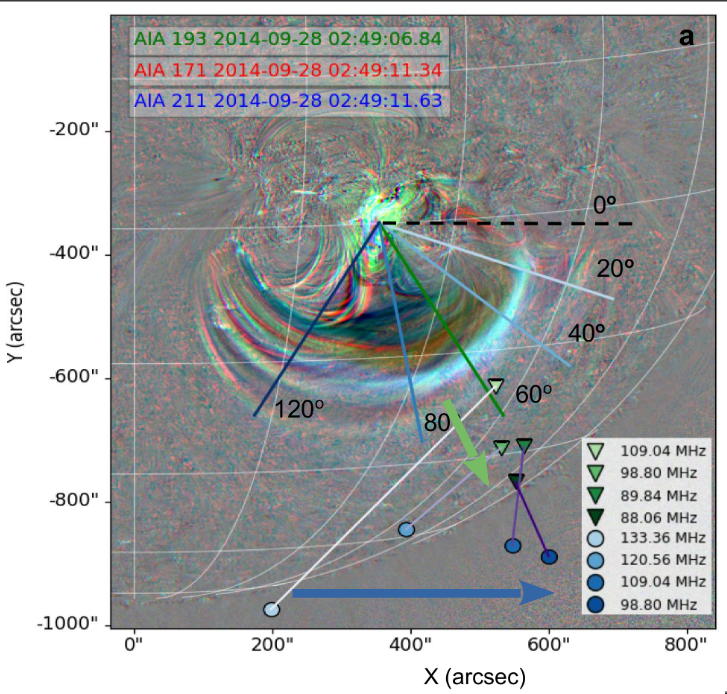
Type II solar radio bursts are caused by magnetohydrodynamic shocks driven by solar eruptive events such as coronal mass ejections. This emission appears at the fundamental (F) and the harmonic (H) of the local plasma frequency and is seen to drift from higher to lower frequencies as the shock travels out through the corona. Often both F and H bands are further split into sub-bands. These split bands are generally believed to be coming from upstream and downstream regions of the shock. This hypothesis remains largely untested as locating the sites of emission for the split bands requires high quality spectroscopic snapshot imaging observations. Only recently, it has become possible to test this hypothesis using data from the Murchison Widefield Array (MWA) and the a robust interferometric imaging pipeline tuned for solar needs (Mondal et al., 2019). Bhunia et al. present combined results from imaging analysis of type II radio burst band-splitting and other fine structures, observed by the MWA and extreme ultraviolet observations from Solar Dynamics Observatory/Atmospheric Imaging Assembly. The symbols in the accompanying figure mark positions of the type II radio sources at four pairs of frequencies observed simultanoeusly in the higher (blue) and the lower (green) bands. The colour of the symbols gets darker with time. The blue and green arrows indicate the directions of motion of these sources. This study provides rare evidence that, at least in this particular instance, band-splitting is caused by emission coming from different parts of the shock (and not from regions upstream/downstream of the shock). They also notice small-scale motion in the location of the type II radio sources in MWA images, which are stongly correlated across neighouring times and frequencies. Bhunia et al. interpret these to be arising due to propagation effects incurred during passage of this emission through the turbulent coronal plasma and not because of the physical motion of the shock location. This also allows them to estimate the length scale of turbulent density perturbations, which is found to lie in the range 1-2 Mm.
The GMRT High-Resolution Southern Sky Survey for pulsars and transients – V: Localisation of two-millisecond pulsars
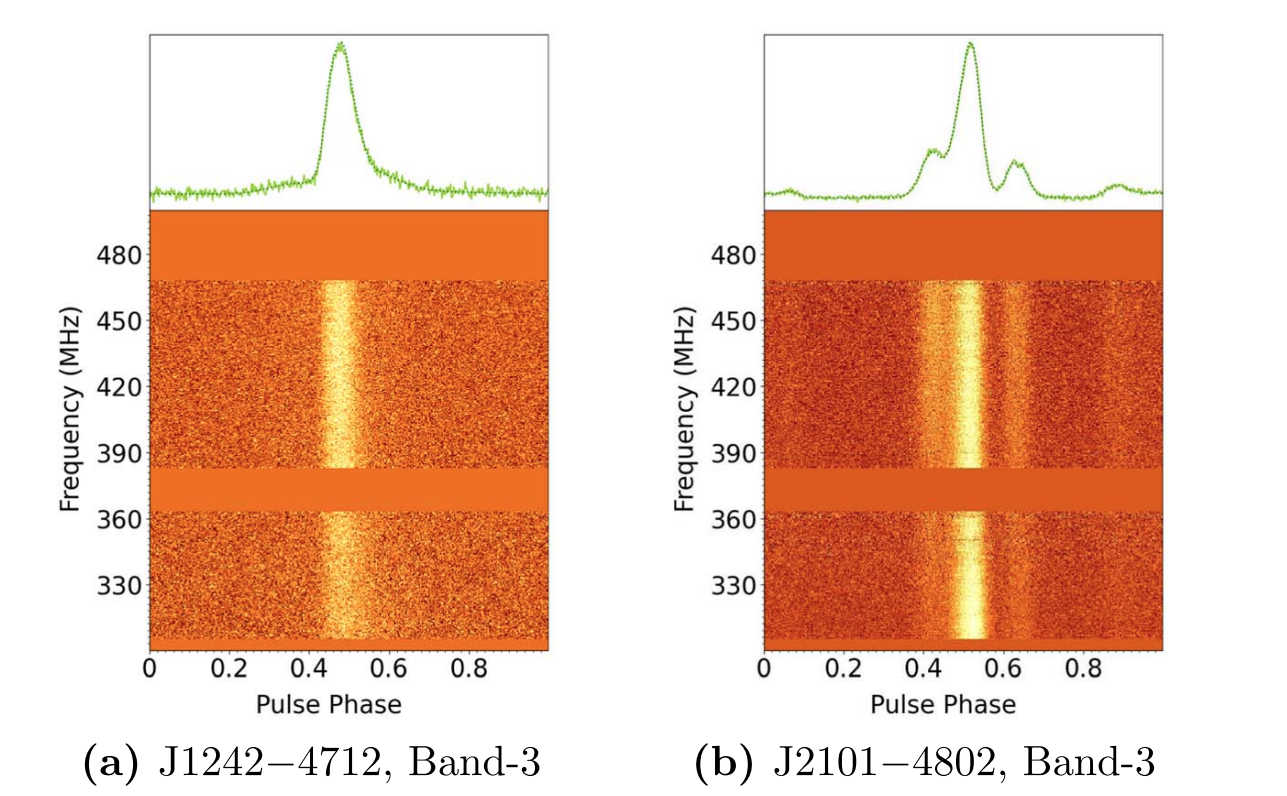
The timing follow-up of newly discovered millisecond pulsars (MSPs) is usually hindered by the large positional uncertainty (a few tens of arc-minutes) associated with the discovery. The ON-OFF gated imaging approach, which subtracts a pulsar’s OFF pulse visibilities from its ON pulse visibilities, can be used to accurately localize the object. This approach efficiently removes the background sky in the image domain, leaving only the pulsar in the field. The other technique for pulsar localization is by forming multiple phased array (PA) beams on point sources taken from the continuum image of the field containing a pulsar, followed by a periodicity search to detect the events with expected increase in the signal-to-noise ratio. The two techniques were previously implemented for the 16 MHz legacy GMRT baseband data. Sharma et al. (2023) report a two-fold increase in the bandwidth of the coherently dedispersed gating correlator (i.e., 16 MHz to 33 MHz). This new advancement with a factor of two increase in observing bandwidth provides improved sensitivity in the image domain, enabling precise localization of fainter MSPs. The authors demonstrate precise localisation of two MSPs discovered in the GMRT High Resolution Southern Sky (GHRSS) survey using a 33 MHz offline gating correlator. Given the precise location, Sharma et al. also reported results from follow-up studies of these two MSPs with sensitive PA beams of the upgraded GMRT from 300 to 1460 MHz. The figure shows the PA beam (pulse phase as a function of frequency and phase bins) of the newly localized MSPs in uGMRT Band-3 observations. More sensitive observations in the PA mode for these two MSPs produce precise (sub-microsecond) times of arrivals, with very low uncertainties in the dispersion measure. Finally, the authors discuss the use of these MSPs for pulsar timing array (PTA) experiments aiming to detect low-frequency gravitational wave signals. The achieved timing and DM precisions for these two MSPs are well within the ranges of the corresponding values for the 50 MSPs that are regularly observed with the North American Nanohertz Observatory for Gravitational Waves (NANOGrav), one of the leading PTA experiments.
Tackling the Unique Challenges of Low-frequency Solar Polarimetry with the Square Kilometre Array Low Precursor: Pipeline Implementation
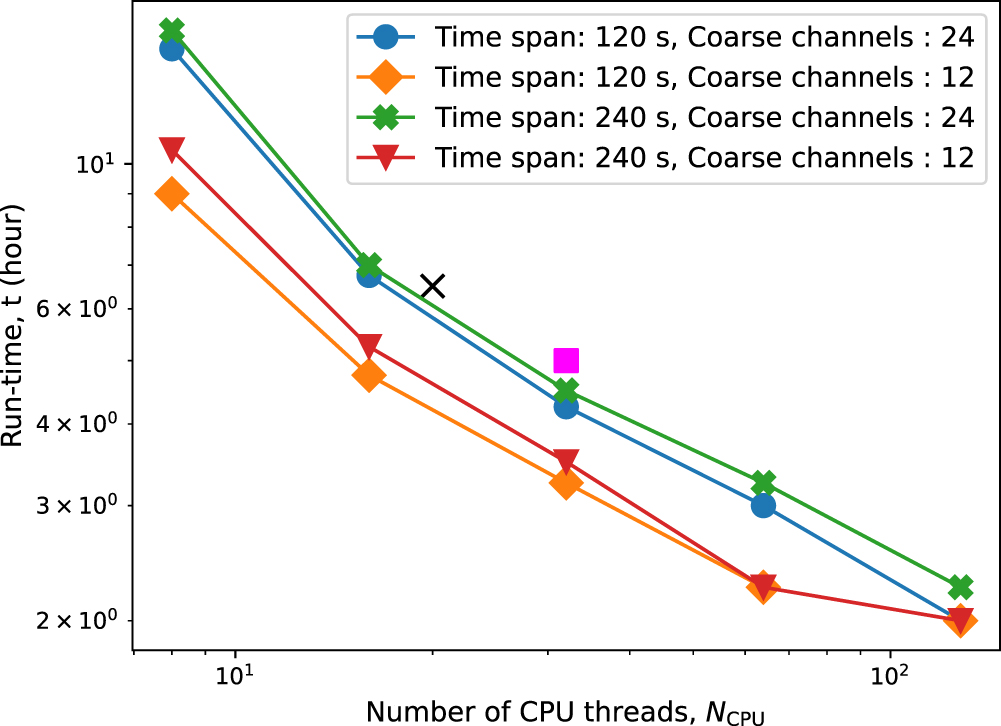
Magnetic fields play a crucial role on the Sun, everywhere from the solar interior to the solar atmosphere. They provide the reservoir of energy for the heating of the solar atmosphere and the production of energetic particles, and drive solar activity, including eruptive events like flares and coronal mass ejections. However, measuring magnetic fields, particularly in the mid- and higher corona, is extremely challenging using observations at X-ray, ultraviolet, optical, and infrared wavelengths. The polarization of low-frequency radio emissions has long been recognized as one of the few effective observational probes of magnetic fields in this region. However, the extreme intrinsic variability of low-frequency solar radio emission makes it harder to extract this information from the radio data available from the standard instruments today. The ability to capture the detailed spectro-temporal and spatial variability of the polarized radio emissions is essential for radio coronal magnetography and this requires high dynamic-range spectropolarimetric snapshot imaging capability. This is now within reach with observations made using the Murchison Widefield Array (MWA), a precursor of the Square Kilometre Array Observatory (SKAO). Sophisticated and compute-intensive calibration and imaging processes are needed to make the requisite MWA solar images, each of which take several hours to complete. Designing and performing these analysis tasks requires a deep understanding of radio interferometry and the steep learning curve involved has been a deterrent limiting the use of solar data. Additionally, doing this manually is not only prone to human errors, but is simply infeasible, given the data volumes. To overcome these problems, Kansabanik et al. (2023) developed an unsupervised and robust polarization calibration and imaging software pipeline dedicated to the Sun - Polarimetry using the Automated Imaging Routine for Compact Arrays of the Radio Sun (P-AIRCARS), the implementation details of which are described in this work. A figure of merit for any parallel implementation of an algorithm is the improvement in run time with an increase in the availability of computational resources. The P-AIRCARS algorithm is embarrassingly parallel and as shown in the accompanying figure for a few different numbers of spectral channels and temporal samples, the run time for calibration scales very well with the increase in hardware resources. The highest dynamic range spectropolarimetric snapshot solar radio images now come from P-AIRCARS. Although the present implementation of P-AIRCARS is tuned for the MWA, the algorithm itself is quite general and will serve the needs of upcoming arrays like the SKAO-Low equally well. It is anticipated that P-AIRCARS will enable exciting new science with instruments like the MWA, encourage the wider use of radio imaging in the solar physics community, and hopefully form a stepping stone to the solar imaging pipeline for the SKAO.
The GMRT High Resolution Southern Sky Survey for Pulsars and Transients. IV. Discovery of Four New Pulsars with an FFA Search
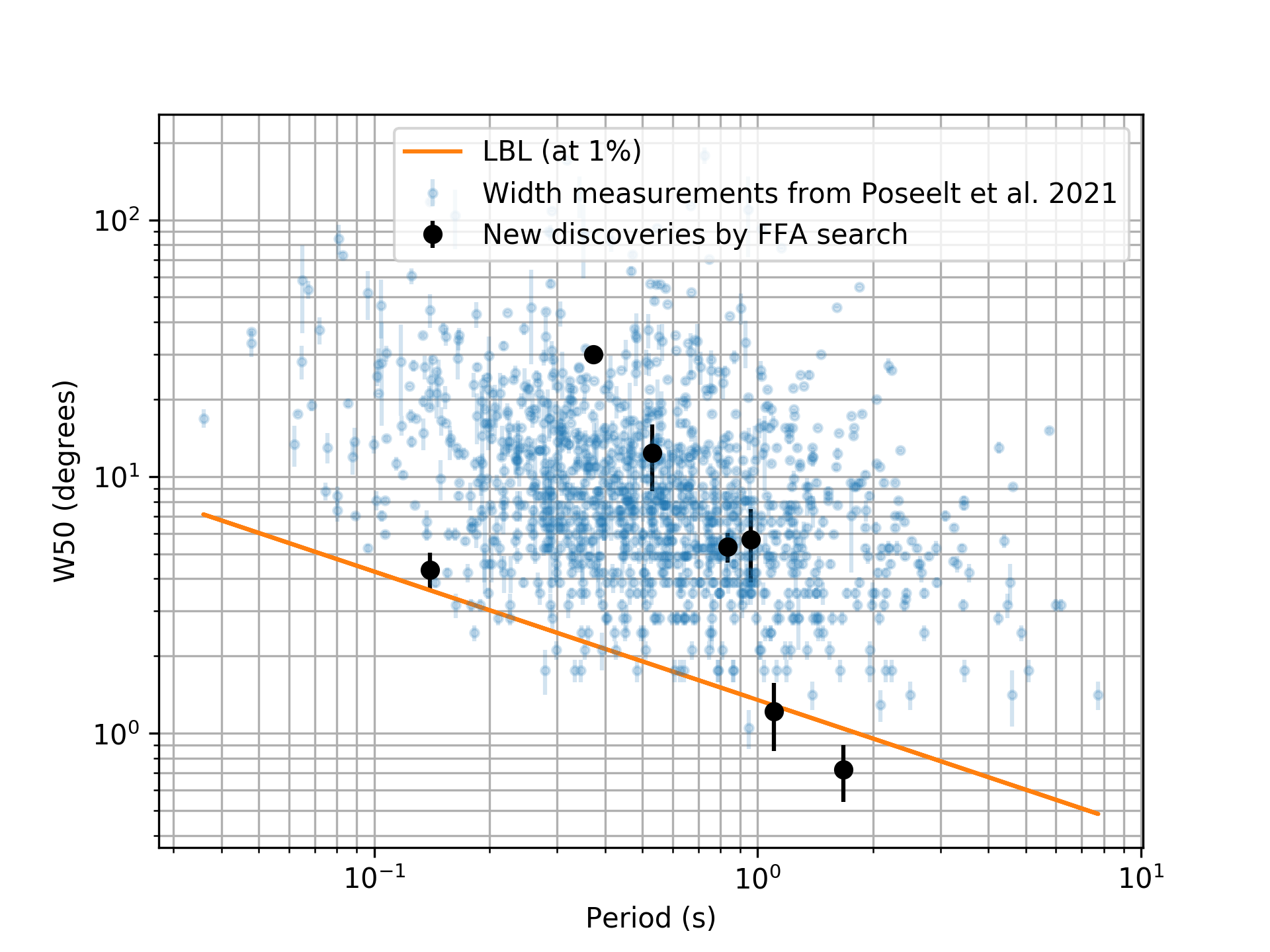
Fast Folding Algorithm (FFA)-based searches are known to be more efficient in searches for isolated long-period and low duty-cycle pulsars. The reprocessing of the GMRT High Resolution Southern Sky (GHRSS) survey data with a newly implemented FFA search pipeline resulted in the discovery of six new pulsars. Singh et al. (2023) reported that three of these pulsars have very low duty cycles, within the bottom 1% of the pulsar duty cycle distribution. The figure shows the six new pulsars along with 1181 pulsars from the known population on a plot of duty cycle versus pulsar rotation period. This finding highlights the efficiency of FFA-based searches to discover low duty cycle pulsars. The new discoveries also include an extreme nulling pulsar with a nulling fraction of 90%. There are only a few other pulsars in the currently known population that show such extreme nulling. Considering the discoveries of many long-period pulsars in recent years, mostly in single-pulse searches, the authors anticipate that a fainter population of such long-period pulsars is still waiting to be discovered. A periodicity search will be needed to recover this putative faint long-period pulsar population. FFA-based searches with their superior sensitivity are best suited for searching for such pulsars with long periods and low duty cycles. Singh et al. (2023) also recommend a significant increase in the integration time per pointing in major pulsar surveys to recover the fainter population of long-period pulsars that are not detectable in single-pulse searches.
Study of radio transients from the quiet Sun during an extremely quiet time
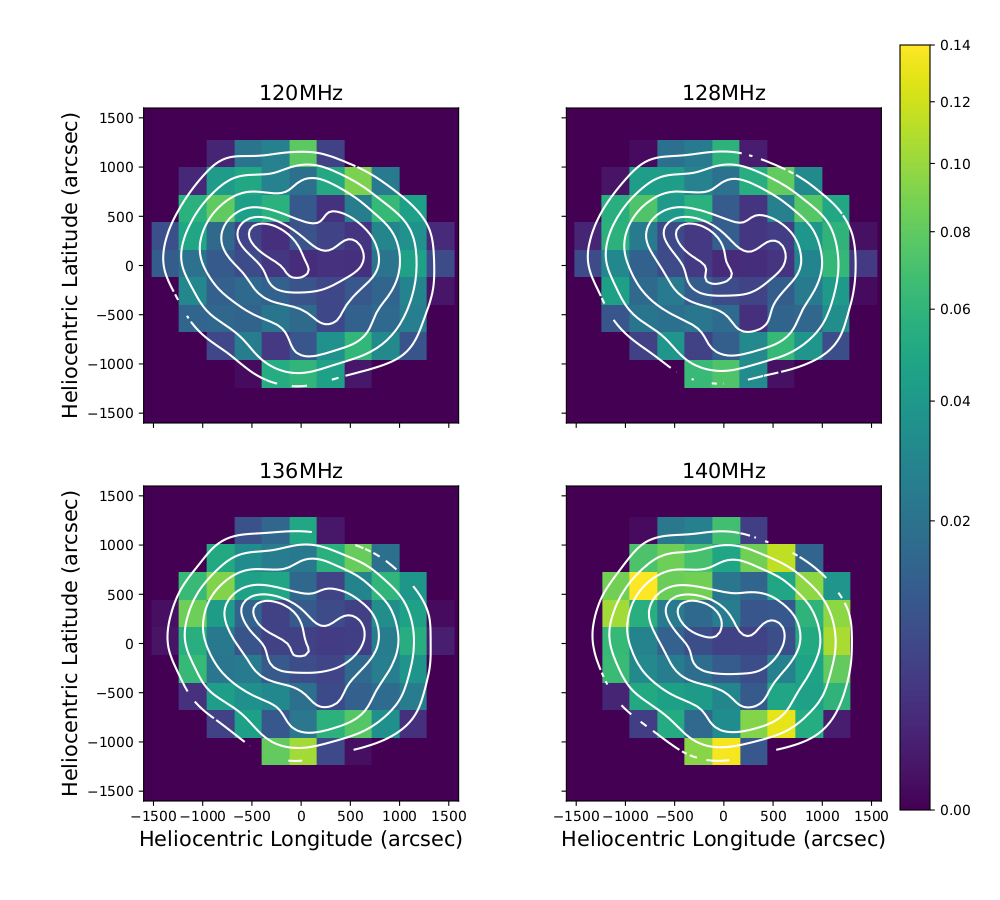
In 2020, Mondal et al. reported the discovery of a new class of metrewave solar transient emission from quiet Sun regions, the strengths of which are only a few percent of the background emission. They have since been named Weak Impulsive Narrowband Quiet Sun Emission (WINQSEs). Their ubiquitous presence in quiet Sun regions, and narrow-band impulsive nature led Mondal et al. (2020) to suggest that these emissions might be the radio counterparts of the hypothesised nanoflares. Given the potential significance, this warrants detailed follow-up studies. In this work Mondal et al. have presented an analysis of data from an extremely quiet time. Not only do they detect numerous WINQSEs in these data, the improvements in methodology since the earlier work enable them to detect even weaker WINQSEs. The key properties of WINQSEs, namely, their impulsive nature and ubiquitous presence on the quiet Sun are observed in these data as well. The colour scale in the figure shows the fractional occupancy distribution of the detected WINQSEs for four different frequencies demonstrating their presence all over the Sun. The contours show the median map at respective frequencies with contour levels at 0.2, 0.4, 0.6, 0.8, 0.9, 0.95 times the peak in the median map. Interestingly, they find that the flux density distribution of the WINQSEs in this data set differs significantly from that found in the earlier work and demonstrate that these differences can justifiably be attributed to differences in methodology and the variations in the level of solar activity. In conjunction with another recent work (Sharma et al., 2022), which used an independent technique to detect WINQSEs, this work places the detection of WINQSEs on a firm pedestal.
Neutron star mass estimates from gamma-ray eclipses in spider millisecond pulsar binaries
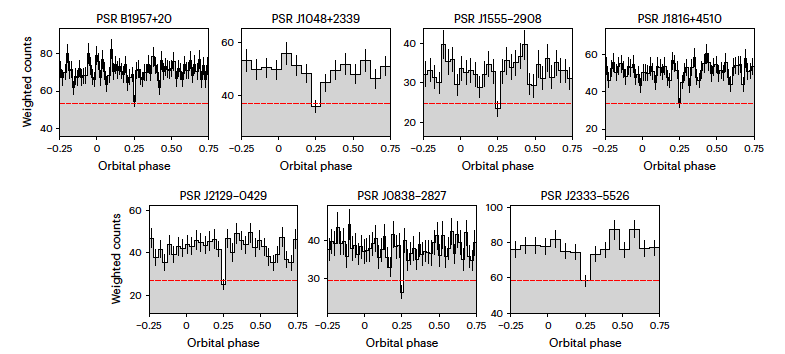
Reliable neutron star mass measurements are key to determining the equation of the state of cold nuclear matter, but such measurements are rare. Black widows and redbacks are compact binaries consisting of millisecond pulsars and semi-degenerate companion stars. Using data from the Fermi Large Area Telescope, gamma-ray eclipses were searched for from 49 spider systems, resulting in the discovery of significant eclipses in 7 systems, including the prototypical black widow, PSR B1957+20. Gamma-ray eclipses require direct occultation of the pulsar by the companion, and so the detection, or significant exclusion, of a gamma-ray eclipse strictly limits the binary inclination angle, providing new robust, model-independent pulsar mass constraints. The figure shows gamma-ray orbital light curves of seven eclipsing spider pulsars. The red dashed lines show the estimated background level. Phase 0 corresponds to the pulsar’s ascending node.
Decade-long Timing Study of the Black Widow Millisecond Pulsar J1544+4937
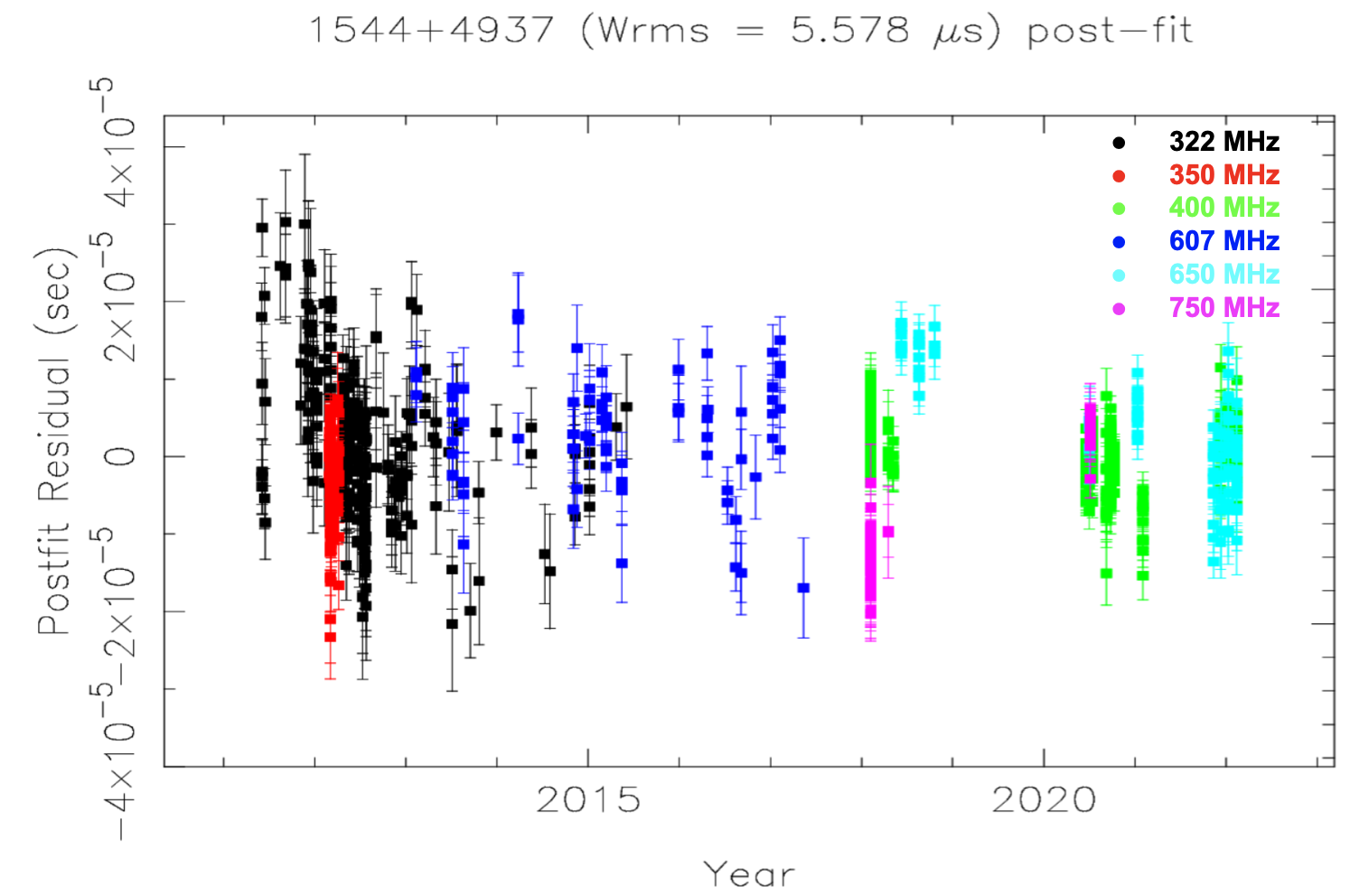
Pulsar timing is the regular monitoring of the rotation of a neutron star by measuring the time of arrival of its pulses. Timing studies of a special class of millisecond pulsars (MSPs) called black widow (BW) MSPs, with an orbital period of less than 1 day, are important because, in these systems, the pulsar and the companion stars are in very compact binary orbits and the highly energetic wind from the pulsar ablates the companion. Complete evaporation of the companion is assumed to be one way to form isolated MSPs. Until now, no BW MSP has been found where it is possible to ablate the companion within the Hubble timescale and the quest to find such pulsars is still on. Long-term timing studies of these systems also allow one to explore the possibility of the inclusion of such systems in pulsar timing arrays. The decade-long timing of PSR J1544+4937 reported here by Kumari et al. (2022) has aided in the studies of proper motion, dispersion measure (DM), and orbital period variation. It is the longest-duration timing study of any galactic field MSP with the Giant Metrewave Radio Telescope (GMRT) and a timing residual of 5.5 µs is achieved for this pulsar using the multi-frequency observations with the GMRT and the Green Bank Telescope (GBT). The authors have obtained a significant detection of the proper motion of 10.14 mas/yr for this pulsar. Studies of proper motion done by them for a sample of BW MSPs and isolated MSPs indicate that BW MSPs may not be the progenitors of the isolated MSPs. The authors report long-term temporal variation of the DM of the order of 0.001 pc per cm^3 along the line of sight to the pulsar. Such variations could arise due to the proper motion of the pulsar or the dynamical evolution of the interstellar medium. The authors also observed frequency-dependent variation in the DM of the order of 0.001 pc per cm^3, using GMRT Band-3 and Band-4 observations. Based on this, they conclude that spatial electron density variations are a possible cause of the frequency-dependent DM values. The authors also used this study to observe long-term orbital period variations in PSR J1544+4937 for the first time. They investigated possible causes and propose that changes in the gravitational quadrupole moment of the pulsar companion could be responsible for the observed temporal changes in the orbital period. The ephemeris from their timing study also provide an improved detection significance in gamma-rays, enabling high-energy studies of this system. The figure shows the timing residual plot obtained from a decade of timing of PSR J1544+4937 using the GMRT and the GBT, with the different colors corresponding to data from different observing frequencies.